
Zanzibar packs an improbable amount into 90 kilometres of island: reefs that rival the Red Sea, a UNESCO-listed Swahili town, rainforest with a monkey found nowhere else on earth, spice farms that have flavoured global kitchens for two centuries, and beaches that change colour with the tide. This guide is written by the team that drives, guides and books these days out year-round — it is what we actually recommend to guests, in the order we recommend it.
1. Beaches: Nungwi, Kendwa, Paje, Jambiani and Matemwe
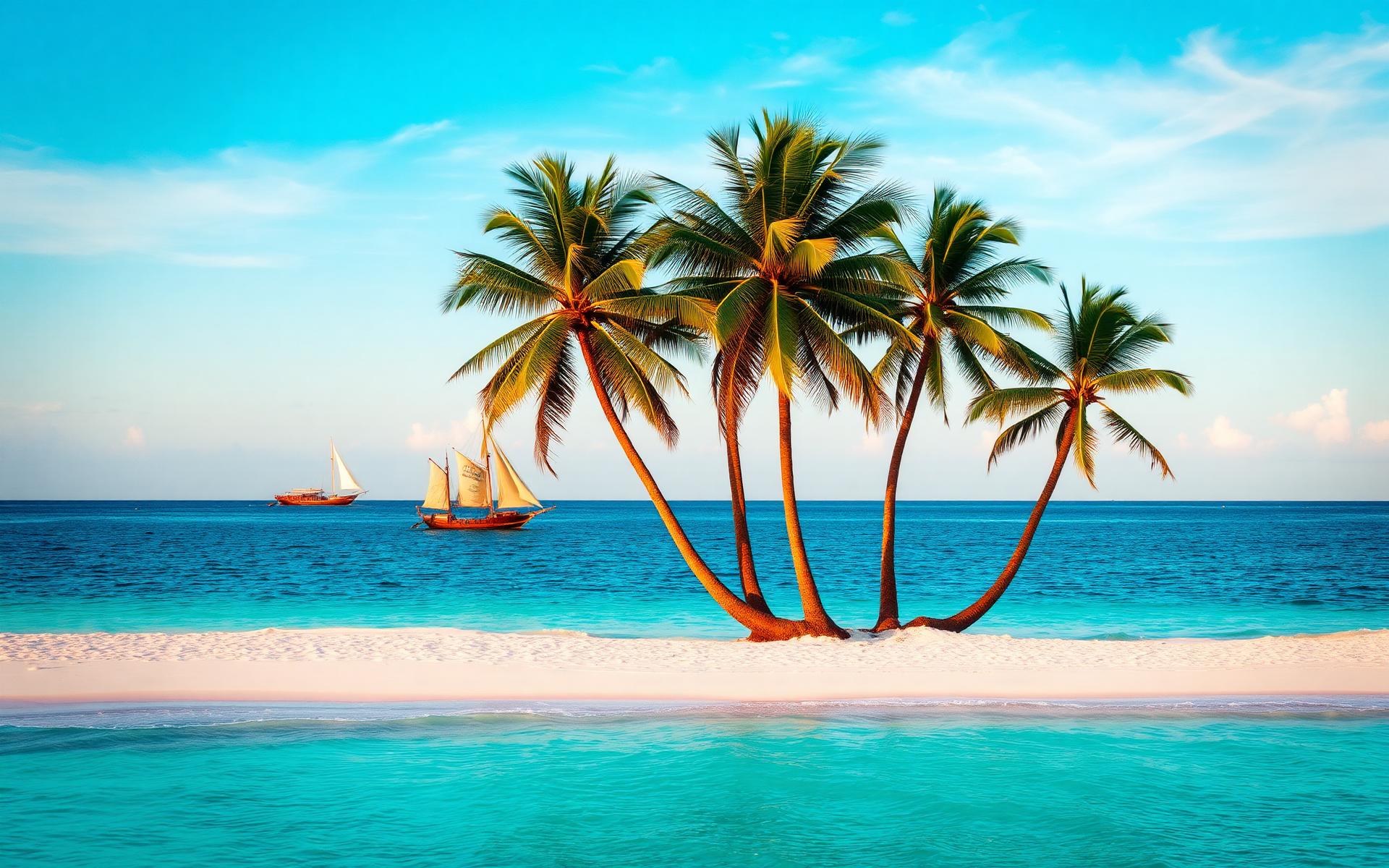
Zanzibar's coast changes personality every few kilometres, so choosing the right beach is the single biggest decision of your trip. Nungwi and Kendwa in the north have deep water at all tides, which means you can swim whenever you like — this is where sunset drinks, dhow trips and dive centres cluster. Kendwa is the calmer of the two, Nungwi the livelier.
The east coast — Paje, Jambiani and Bwejuu — has enormous tidal swings. At low tide the ocean retreats hundreds of metres, exposing sandbanks, seaweed farms and rock pools; at high tide it comes back as a turquoise lagoon. Paje is the kitesurfing capital of the island. Matemwe, on the north-east, is the quietest of the popular beaches and the closest launch point for Mnemba Atoll.
If you want one base for everything, pick the north. If you want space, silence and long barefoot walks, pick the east. Our team can match a beach to your travel style — see the full breakdown on the destinations page.
2. Snorkelling and diving at Mnemba Atoll
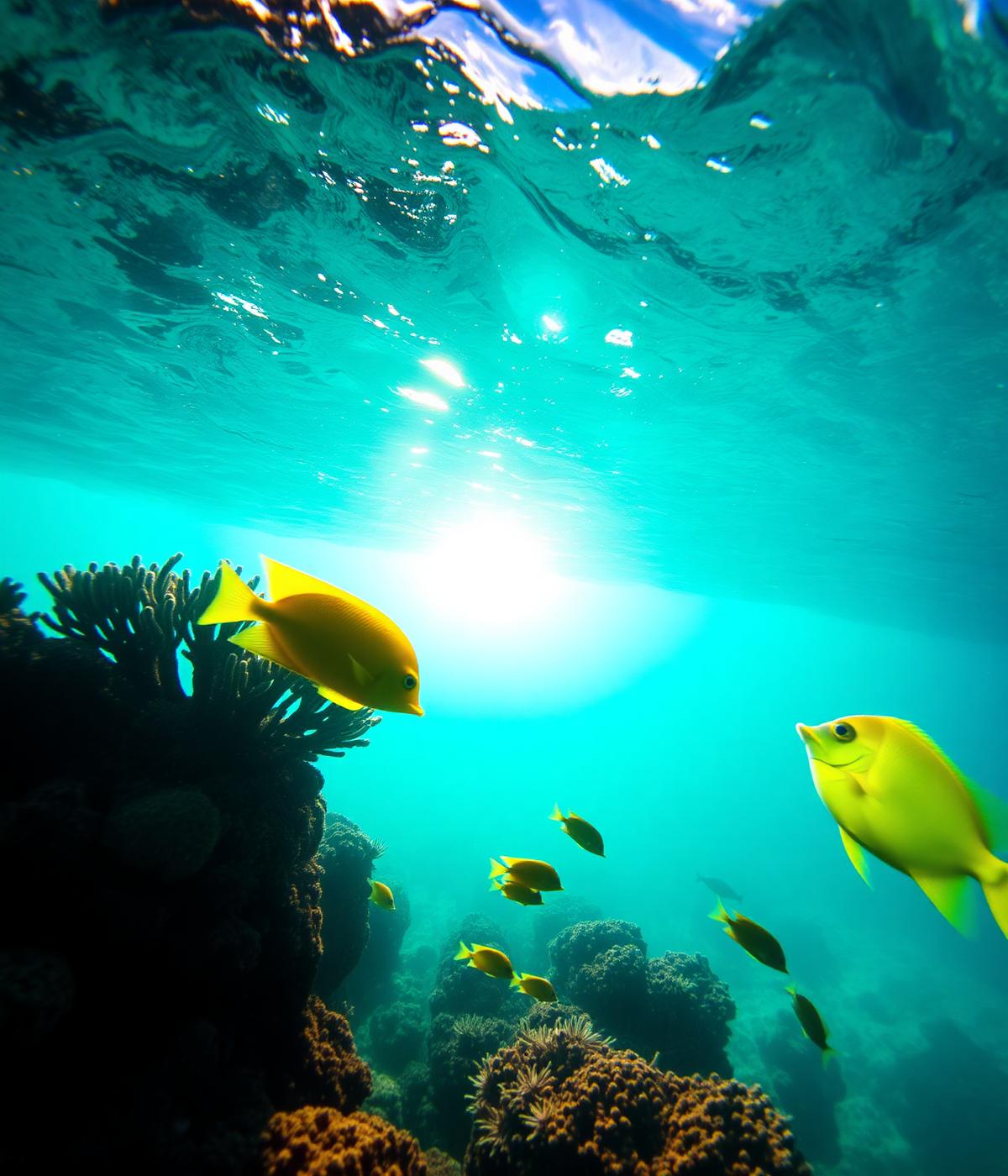
Mnemba Atoll is the reef that makes people fall in love with Zanzibar. A short boat ride from Matemwe or Nungwi drops you over shallow coral gardens with parrotfish, moray eels, turtles and, in season, dolphins on the way out. Visibility is best from December to March and again from July to October.
Half-day snorkelling trips usually leave between 7am and 9am, before the wind builds. Bring reef-safe sunscreen, a rash vest for sun protection and a dry bag. Certified divers can go deeper on the atoll's outer wall; complete beginners can do a discover-scuba session from the same boats.
Other worthwhile water days: Blue Lagoon and Kwale sandbank in the south-west, the Safari Blue full-day sailing trip with a seafood barbecue, and Prison Island for giant Aldabra tortoises.
3. Stone Town: heritage walk, food market and rooftops
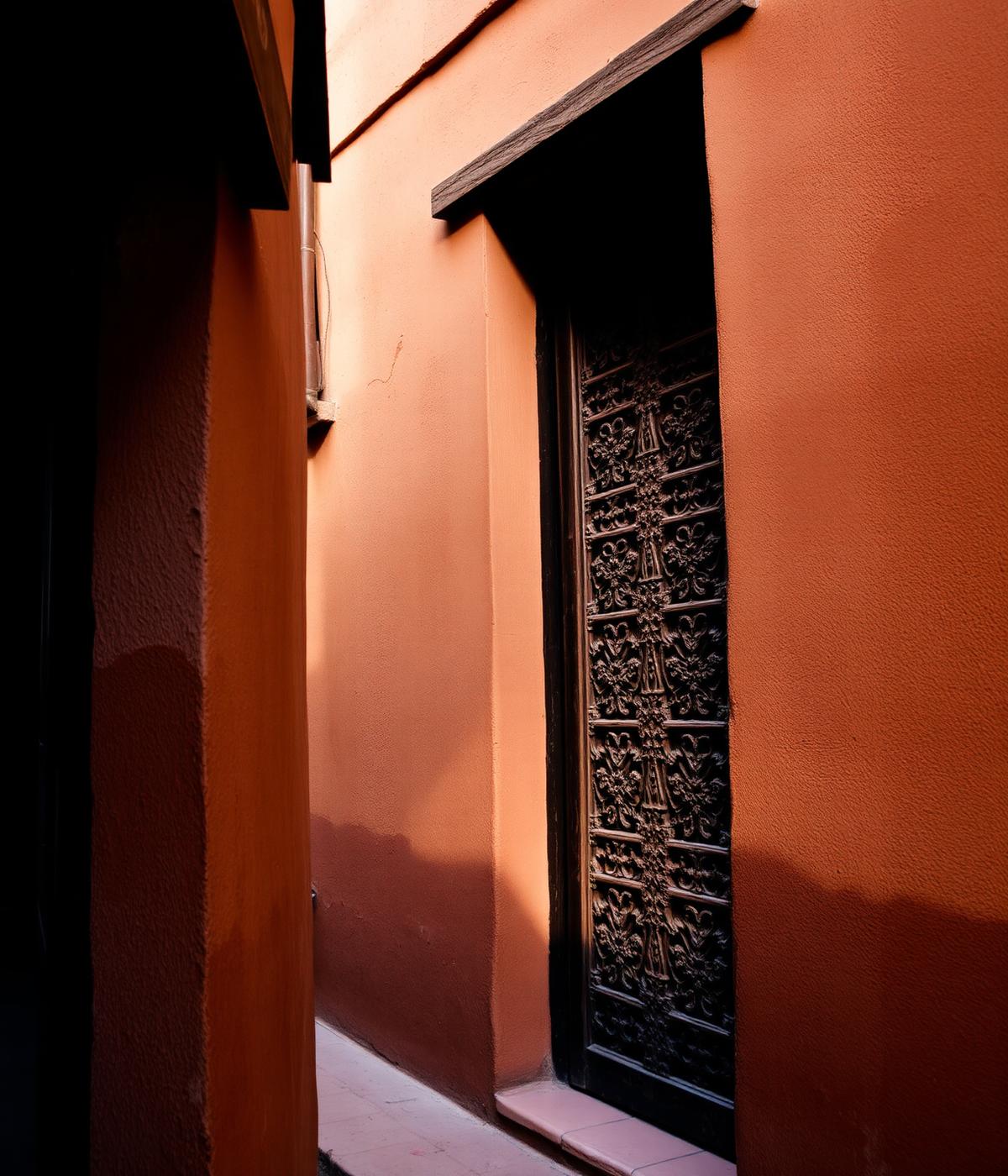
Stone Town is a UNESCO World Heritage site and the cultural heart of Zanzibar — a maze of coral-stone lanes, carved Zanzibari doors, Omani balconies and Indian shopfronts. A guided three-hour walk takes in the Old Fort, the House of Wonders, the Anglican Cathedral built over the former slave market, the Darajani spice market and Freddie Mercury's birthplace.
Come back in the evening for Forodhani Gardens, where the seafront fills with grills serving Zanzibari pizza, cassava chips and sugarcane juice. Then find a rooftop for the call to prayer at sunset — it is the most atmospheric half hour on the island.
Practical notes: cover shoulders and knees, ask before photographing people, and carry small Tanzanian shilling notes for the market even though most tours are quoted in US dollars.
4. Jozani Forest and the red colobus monkeys
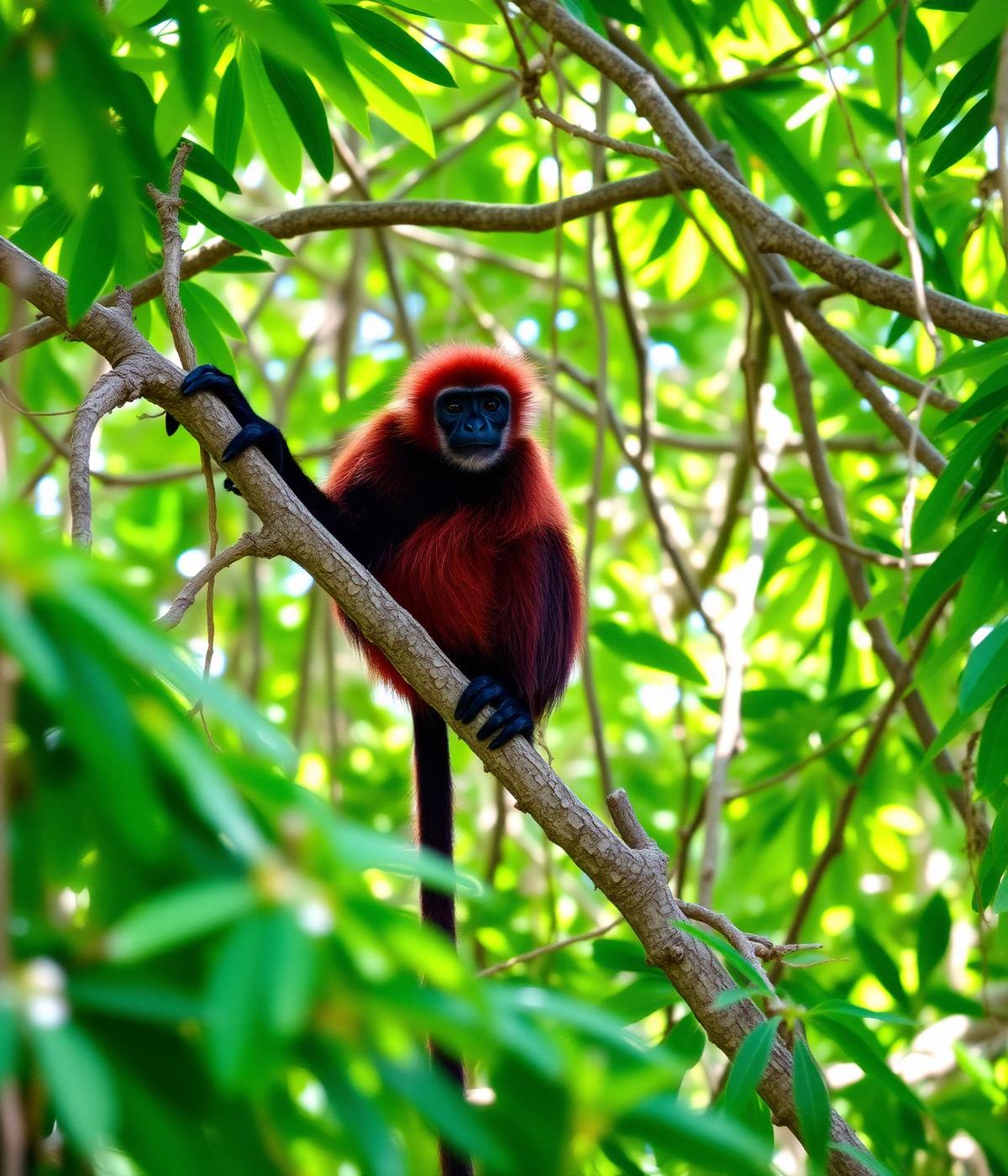
Jozani Chwaka Bay National Park protects the last significant patch of indigenous forest on the island and the endemic Zanzibar red colobus monkey, found nowhere else on earth. Troops habituated to visitors feed at eye level along the trails, so photographs are easy even without a long lens.
The visit takes about two hours: forest trail, mangrove boardwalk over the tidal creek and a short interpretive centre stop. Mornings are cooler and the monkeys are more active. Park fees are collected at the gate and are usually quoted separately from your tour price.
Jozani pairs neatly with a spice farm or with the east-coast beaches, since it sits roughly halfway between Stone Town and Paje.
5. Spice farms, Swahili cooking and village life
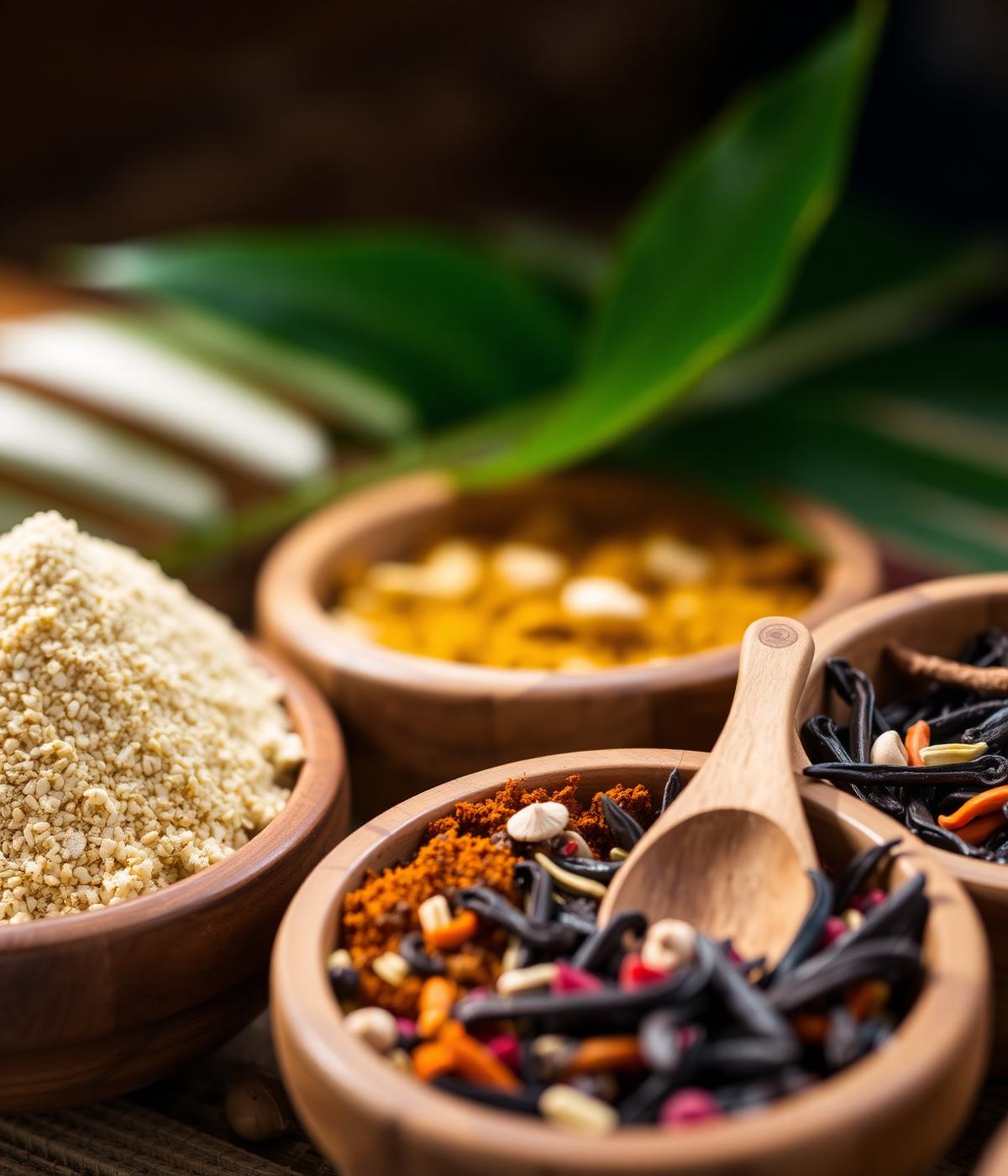
Zanzibar has been called the Spice Island since the 19th century, and a spice-farm tour is far more sensory than it sounds. You taste, smell and crush cloves, nutmeg, cinnamon bark, lemongrass, cardamom, vanilla and turmeric straight from the plant, then usually sit down to a Swahili lunch of pilau, coconut curry and tropical fruit.
Add a cooking class if you want to take the island home with you — most run for three hours and finish with the meal you cooked. Other cultural half-days worth booking: a Kizimkazi dolphin-and-village morning, the seaweed farms of Paje, and a Makunduchi or Nungwi dhow-building workshop.
6. Sunset dhow cruises and romantic evenings
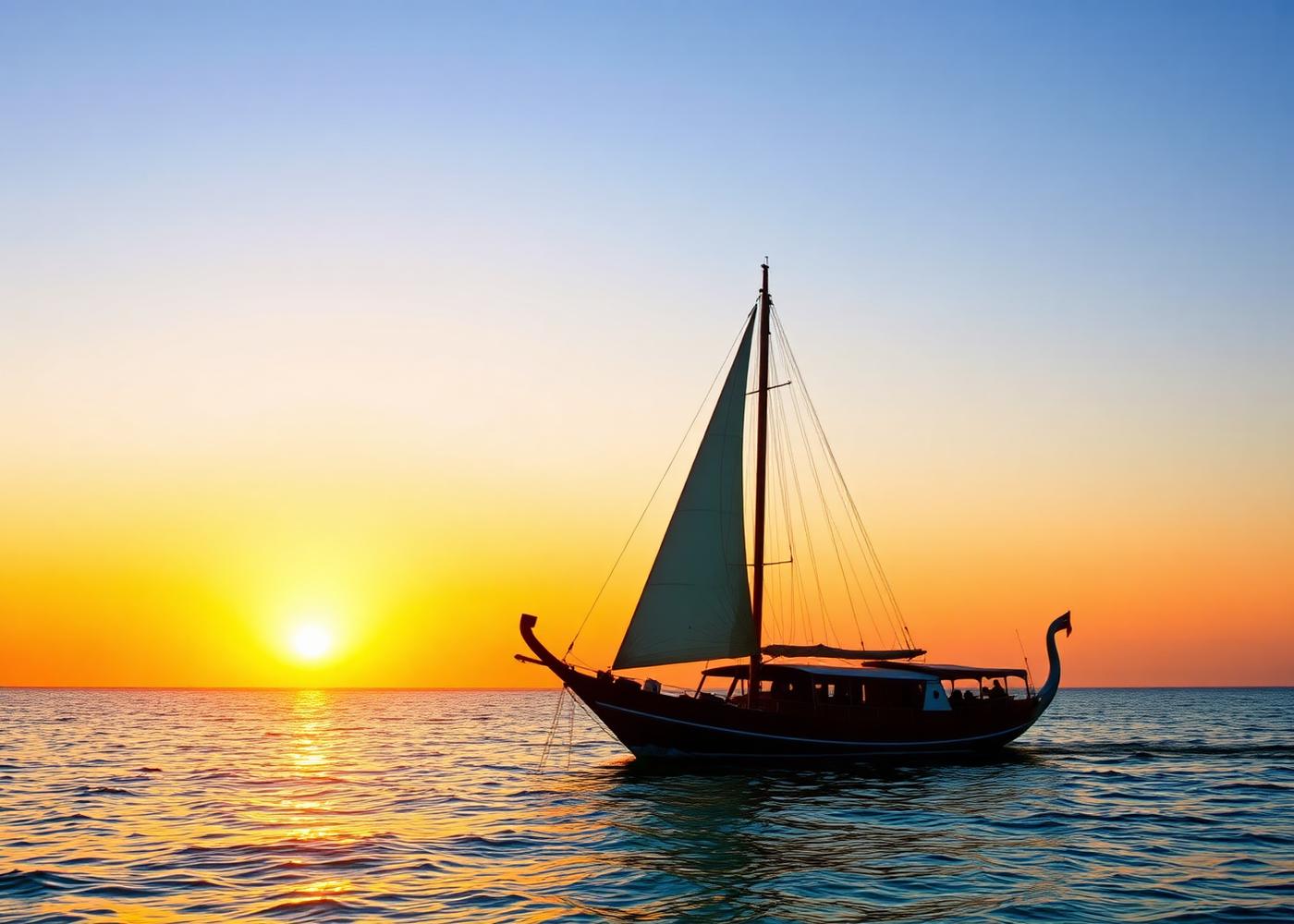
A traditional wooden dhow with a lateen sail, a cool drink and the sun dropping into the Indian Ocean is the classic Zanzibar evening. Cruises leave from Stone Town, Nungwi and Kendwa about 90 minutes before sunset and last one to two hours.
For honeymooners, we can arrange a private dhow, a candlelit dinner on a sandbank, or a floating-breakfast morning at your resort. Say the word when you enquire and we will build the evening around you.
Planning: seasons, costs, transfers and getting around
Seasons. The long dry season from June to October is the most dependable — warm days, cool nights, low humidity. December to February is hotter with brief afternoon showers and superb underwater visibility. April and May bring the long rains: fewer visitors, lowest rates, and some boat trips cancelled at short notice.
What things cost. Guided day tours generally sit between USD 35 and USD 120 per person; park and marine fees for Jozani, Mnemba and Safari Blue are usually additional and are stated clearly when you book. Every tour price on our tours page includes the guide, transport from your hotel and the inclusions listed on the card.
Getting around. The island is bigger than it looks — Stone Town to Nungwi is about an hour, to Paje about 50 minutes, to Michamvi closer to 90 minutes. We run private island-wide transfers on a fixed published rate card, and payment is made in cash to your driver after pickup, so there is nothing to pay online in advance.
How to book. Pick the days you want, send one enquiry, and we build the itinerary around your hotel and your flight times. You can track our reply on your request page at any time.
25 things to do in Zanzibar — the short list
- 1.Swim at high tide in Kendwa
- 2.Snorkel Mnemba Atoll
- 3.Walk Stone Town's alleys with a guide
- 4.Eat at Forodhani night market
- 5.Meet the red colobus in Jozani
- 6.Taste a working spice farm
- 7.Sail a sunset dhow
- 8.Kitesurf in Paje
- 9.Take the Safari Blue sandbank day
- 10.Visit the tortoises on Prison Island
- 11.Swim in Kuza or Maalum rock pools
- 12.Watch dhow builders in Nungwi
- 13.Dolphin morning at Kizimkazi
- 14.Kayak the Chwaka Bay mangroves
- 15.Learn to cook Zanzibari pilau
- 16.Cycle the Michamvi peninsula
- 17.Sunset drinks at Michamvi Kae
- 18.Book a spa hour on the beach
- 19.Buy kanga cloth at Darajani
- 20.Try urojo (Zanzibar mix) soup
- 21.Free-dive the Nungwi lagoon
- 22.Tour a seaweed farm at low tide
- 23.See turtles at the Nungwi aquarium
- 24.Take a village football sunset walk
- 25.Do a full-day island road trip with a private driver
Frequently asked questions
- How many days do you need in Zanzibar?
- Five to seven nights is the sweet spot: two nights in or near Stone Town for culture and spice farms, then three to five nights on the north or east coast for beach time, snorkelling and a sunset dhow cruise.
- What is the best time of year to visit Zanzibar?
- June to October is dry, breezy and the most reliable. December to February is hot with short showers and excellent water clarity. Long rains fall in April and May, when prices are lowest.
- How much do things to do in Zanzibar cost?
- Most guided day tours run between USD 35 and USD 120 per person depending on group size, boat time and park fees. Private island transfers are priced per vehicle and route, and are paid in cash to your driver after pickup.
- Is Zanzibar safe for tourists?
- Yes. Zanzibar is a relaxed, welcoming island. Use licensed guides and drivers, dress modestly in Stone Town and villages, avoid unlit beaches at night, and agree prices before boarding any boat.
- Do you need a guide to explore Stone Town?
- You can wander freely, but a local guide unlocks the layers — the doors, the Omani and Indian architecture, the slave-trade history and the food market — in about three hours.
Ready to turn this list into an itinerary?
Tell us your dates, your hotel and what you'd love to see. We'll come back with a day-by-day plan, transfer costs and a single price.